







By Our Reporter
If there is one thing Ugandans picked up and refused to let go of, it is house music. The genre, beloved for its infectious grooves, thumping basslines and inviting rhythms, began gathering momentum in Uganda in the early 2010s.
Back then, it was something of a well-kept secret. A relatively small community understood the culture, but they carried themselves like they owned the entire city. They threw elaborate parties, experimented with sounds and made sure that whenever they gathered, Kampala knew about it.
And almost everyone wanted to be part of it.
Globally, South African DJ and producer Black Coffee was helping drive a new wave of house music, taking the sound beyond the continent. From Mi Casa to alternative band Beatenberg, house music found its way from MTV Base and Channel O screens to Kampala’s dance floors, giving local audiences a taste of a growing musical movement.
As the years passed, the sound continued to evolve. Out of South Africa came Amapiano, a genre that blended elements of house, jazz and other electronic influences, characterised by its distinctive log drums, deep basslines and melodic arrangements.
Amapiano eventually became a global phenomenon. In Uganda, however, the popularity of the sound has sometimes blurred the lines between different dance music traditions, with house, garage and even gumboot-inspired sounds often finding themselves under the same Amapiano umbrella.
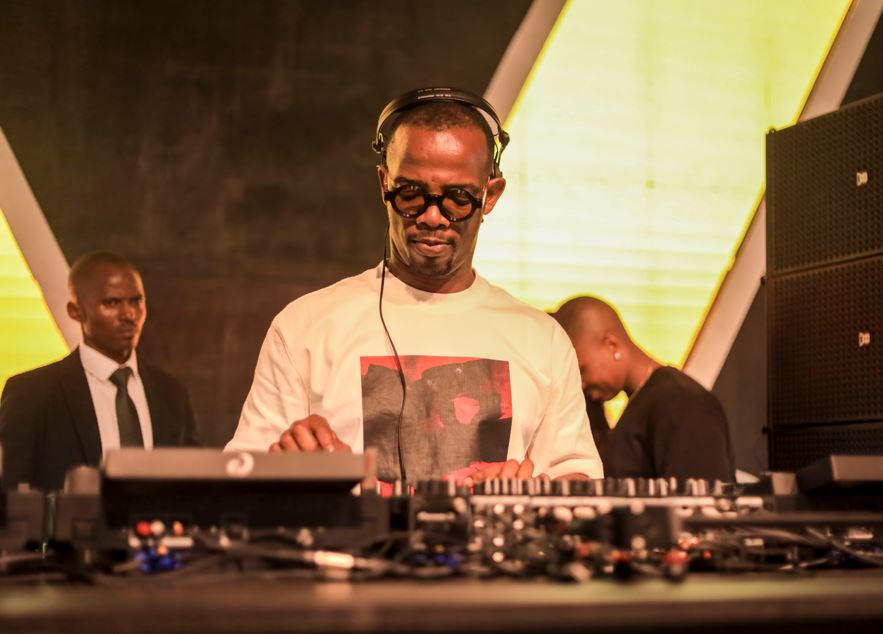
On Saturday night, at Mestil Gardens, Vuma Piano offered a reminder that the culture is much broader than a single genre. The event, which brought together local and international performers, was a celebration of the sounds that have shaped Kampala’s relationship with dance music.
DJ FKR opened the evening with a musical gesture that immediately connected the dance floor to home. Rather than diving straight into electronic sounds, he began with a medley of familiar Ugandan records: Radio’s Neera, Afrigo Band’s Oswadde Nyo, Joshua Baraka’s Yoyo and Jose Chameleone’s Jamila.
Accompanied by a saxophonist, the selections provided an interesting introduction, bringing together different generations of Ugandan music before gradually giving way to house mixes.
What followed was a carefully assembled journey through electronic music. FKR was not particularly interested in taking the easy route with familiar dance-floor favourites such as Balele, Commasava or Bucie’s Easy to Love. Instead, he explored less predictable selections, chopped sounds and reimagined records.
A rework of Kid Cudi’s Day ‘n’ Nite was among the more unexpected moments, demonstrating how easily a familiar record can be given a different identity when placed in the right musical hands.
It was the kind of set that rewarded people who were listening as much as those who were dancing.

DJ Vanns, a Johnnie Walker ambassador, was also part of the musical offering, adding to an evening that brought together different interpretations of the house and Amapiano experience. Zonke further contributed to the night’s entertainment, giving the audience another dimension to the musical experience.
But the biggest moment of the evening belonged to Zakes Bantwini.
The Grammy Award-winning South African musician took things a notch higher, opening his performance with the Ugandan national anthem. It was an unexpected but thoughtful way to introduce himself to the audience, immediately establishing a connection with the crowd before taking them into his musical world.
For an artist whose sound has travelled across borders, the gesture was a recognition of the audience and the country hosting him.
From there, the performance gathered momentum, drawing on the infectious rhythms and electronic influences that have made South African dance music such a powerful export. Bantwini brought the energy and stage presence expected of an international headliner, reminding the audience why Amapiano and its related sounds have become such a dominant force on global dance floors.
Beyond the music, the evening also carried the presence of two major spirits brands. Johnnie Walker, the event’s principal sponsor, was part of an experience built around music, movement and shared moments. Don Julio complemented the occasion with signature cocktails, adding another layer to the event’s hospitality offering.
There was something particularly interesting about the evening’s musical direction. While Amapiano has become the sound of the moment, its popularity is built on a foundation of house music that audiences in Kampala had embraced long before the genre became a global talking point.
For those who remember the early house parties, the transition from Black Coffee and Mi Casa to the contemporary sounds of Amapiano is not necessarily a departure. It is an evolution of a culture that has always been interested in discovering what comes next.


