








Two televisions sit side by side in a showroom. Both carry the words “Mini LED”. One costs considerably more than the other. Does the cheaper screen offer a bargain, or is there something the label is not telling you?
According to TCL, the answer lies behind the screen.

In a consumer guide released in Kampala, the electronics manufacturer says the growing popularity of Mini LED has created a challenge for shoppers: televisions carrying the same technology label can deliver noticeably different picture quality.
Mini LED refers to the small LEDs used to illuminate an LCD television. Their size allows manufacturers to fit more of them behind a screen, potentially giving the television greater control over bright and dark areas.
But the label alone does not reveal how many LEDs a television uses, how they are arranged or how precisely their brightness can be controlled.
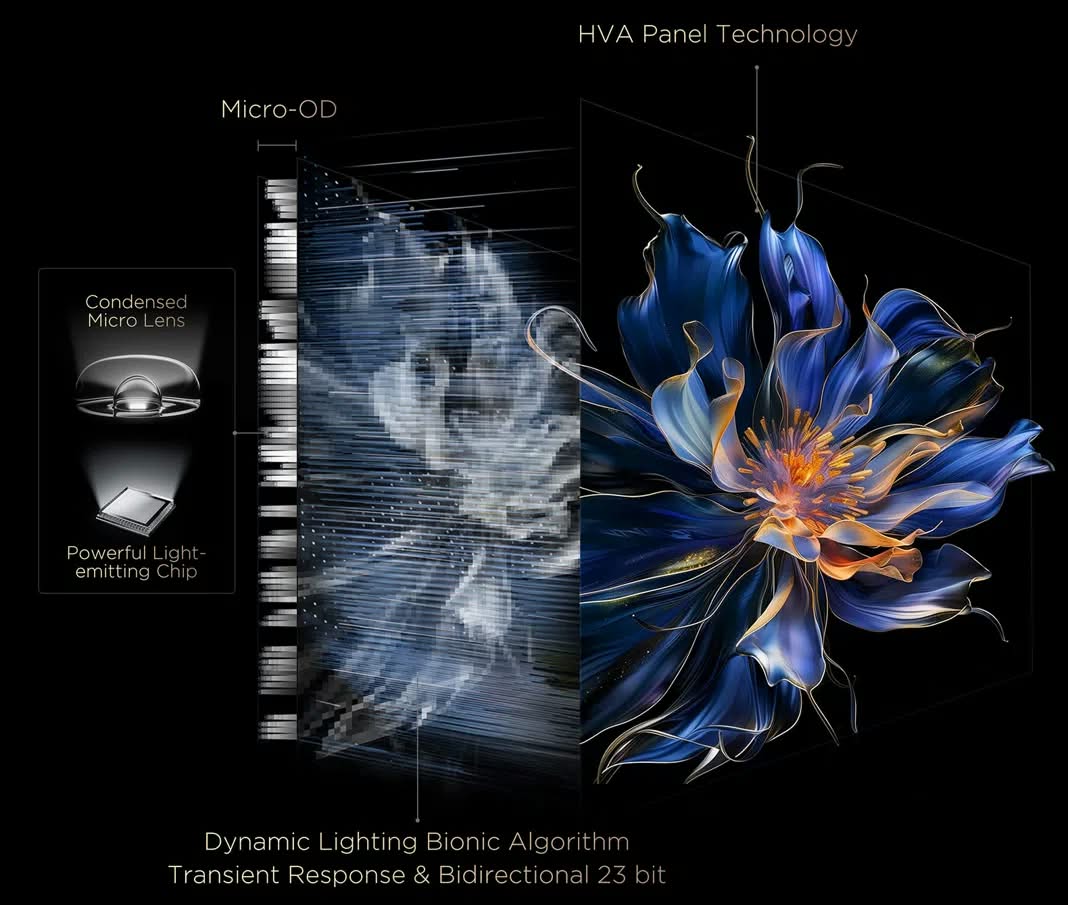
That difference becomes particularly relevant in demanding scenes: a bright moon against a dark sky, headlights on an unlit road or subtitles appearing over a shadowy background.
A television with precise backlight control can keep bright objects vivid while preserving darkness around them. Less precise control can allow light to spill into areas that should remain dark.
“Mini LED gets talked about as if it’s a single technology, but it’s really a family of approaches with very different results,” says Alvin Wang, General Manager of TCL East Africa.
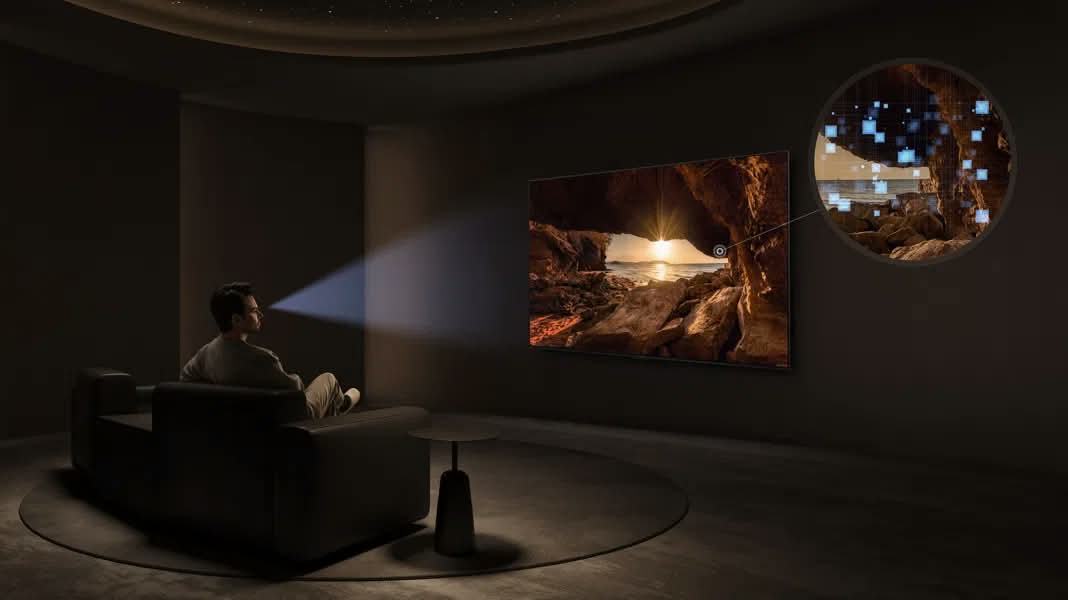
The company identifies three features shoppers should investigate: physical control of backlight zones, the number of independently controlled zones and the arrangement of LEDs behind the panel.
Hardware local dimming allows different clusters of LEDs to brighten or dim independently. Software-based dimming relies primarily on image processing and, according to the release, can offer less precise separation of light and shadow under comparable conditions.
Zone count also matters. More independently controlled zones can give a television finer control, although the release’s comparisons assume otherwise comparable conditions.
The third consideration is Full Array Local Dimming, which distributes LEDs across the back of the panel and controls their brightness in separate zones. TCL says this architecture underpins its Mini LED range.
For buyers, the practical message is straightforward: ask what sits behind the Mini LED badge.
A familiar label may help shortlist a television. Understanding how its backlight works can help explain what you are paying for.


